عدد المشاريع : 50 مشروع
مبلغ المنحة : 500000 دولار
عدد المستفيدين : 500000 مستفيد
عدد المشاريع : 50 مشروع
مبلغ المنحة : 500000 دولار
عدد المستفيدين : 500000 مستفيد
In the village of Beit Al-Lakoumi, in the sub-district of Al-Jadam, Maswar District, Amran Governorate—where geographic isolation and scarce resources prevail—the family of Majed Mabkhout (30 years old) lived under harsh conditions, like many other households suffering from food insecurity in an area lacking basic services and facing daily challenges. The family, consisting of nine members, struggled to secure their daily bread amid food shortages, poor dietary diversity, and the absence of stable income sources.
Majed says:
"We went through very difficult days… Sometimes we didn’t have enough food for our children, and we were forced to make do with simple meals that didn’t satisfy our hunger."
The challenges were not limited to food shortages but extended to difficulties in accessing health services and clean drinking water, which added to the family’s suffering and affected their health and psychological stability. With no job opportunities, Majed felt the weight of responsibility growing heavier each day as he tried to provide a decent life for his children under these tough circumstances.
As part of the Integrated Life-Saving Emergency Assistance Project, funded by the Yemen Humanitarian Fund (YHF), which targeted the most vulnerable families in the areas of food security, health, nutrition, protection, as well as multipurpose cash assistance, water, and environmental sanitation, a glimmer of hope came to this family. They benefited from unconditional cash transfers, receiving $100 per month for six months, which provided a regular source of support that helped them meet their basic needs more stably.
Majed says:
"When we started receiving the support, we felt a sense of relief for the first time… We were able to buy enough food and gradually improve our situation."
Over time, signs of change began to appear, especially after the fourth round of assistance. The family became more capable of planning for their needs and providing diverse food for their children, after having been limited to the bare minimum.
Majed adds with a hopeful smile:
"The situation has changed a lot… We can now meet our basic needs, and that has given us the motivation to start thinking about the future, not just living day by day."
With a simple yet meaningful step, Majed decided to invest part of the support instead of spending it all on daily needs. He bought two goats as the beginning of a small project through which he seeks to secure a sustainable source of income for his family.
"I bought two goats… and I said, this is a beginning. Today, I feel like I’ve started a new path—a small step, but an important one to become self-reliant and provide a better life for my children."
This decision was not merely an economic investment; it marked a shift in Majed’s mindset—from relying solely on aid to striving for independence and building a more stable future.
Today, Majed’s family no longer faces the same harsh challenges they once did. They have become more capable of meeting their basic food needs and are filled with greater hope and confidence in the future. With continued humanitarian efforts and support, the family is steadily moving toward self-reliance and a more dignified life.
Majed’s story is not just a temporary improvement—it is a true beginning of a new path defined by hope, hard work, and sustainability. ✨

Success Stories
 |
"Ibrahim''s Success Story | When Aid Becomes a New Beginning ✨" |
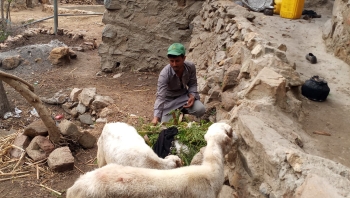 |
Majed''''s Success Story | A Small Step… A Great Impact ? |
 |
Tayeb Barakat… From Fear for Daily Bread to the Restoration of Hope |
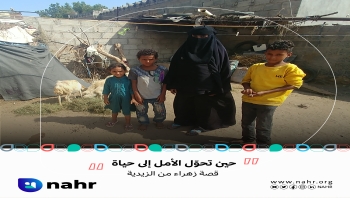 |
When Hope Turns into Life... The Story of Zahra from Al-Zaydiyah |
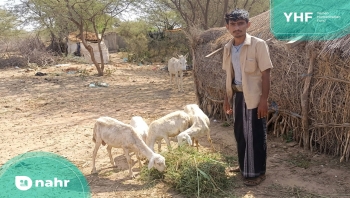 |
From the suffering of displacement to building a sustainable source of income |
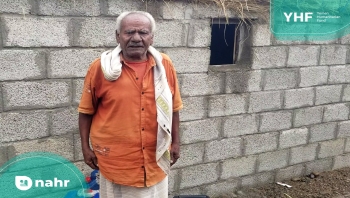 |
When Shelter Becomes Dignity and Safety |
 |
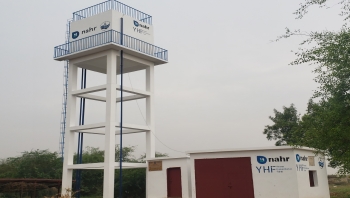
Success Story: When Water Returned... Life Returned |
 |
Success Story – Al-Khalil Camp: From Hardship to a More Dignified Life |
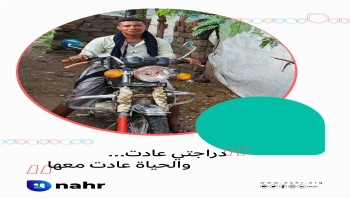 |
When Cash Assistance Transformed into a New Life |
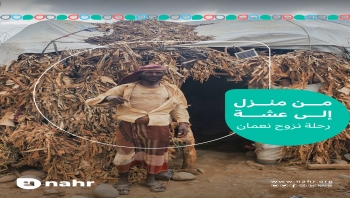 |
From a Home to a Shack: The Displacement Journey of Noman |