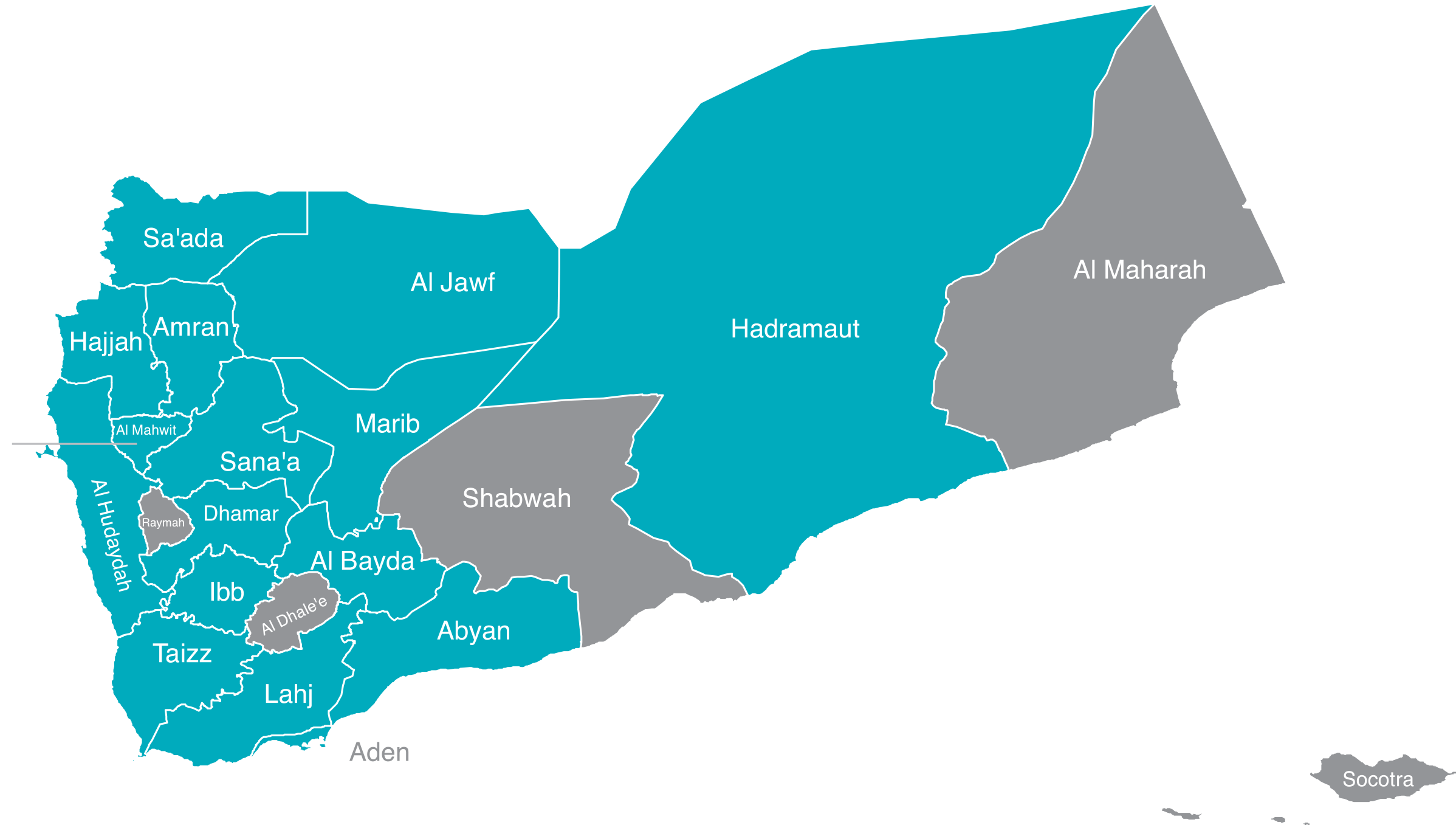
عدد المشاريع : 50 مشروع
مبلغ المنحة : 500000 دولار
عدد المستفيدين : 500000 مستفيد
عدد المشاريع : 50 مشروع
مبلغ المنحة : 500000 دولار
عدد المستفيدين : 500000 مستفيد
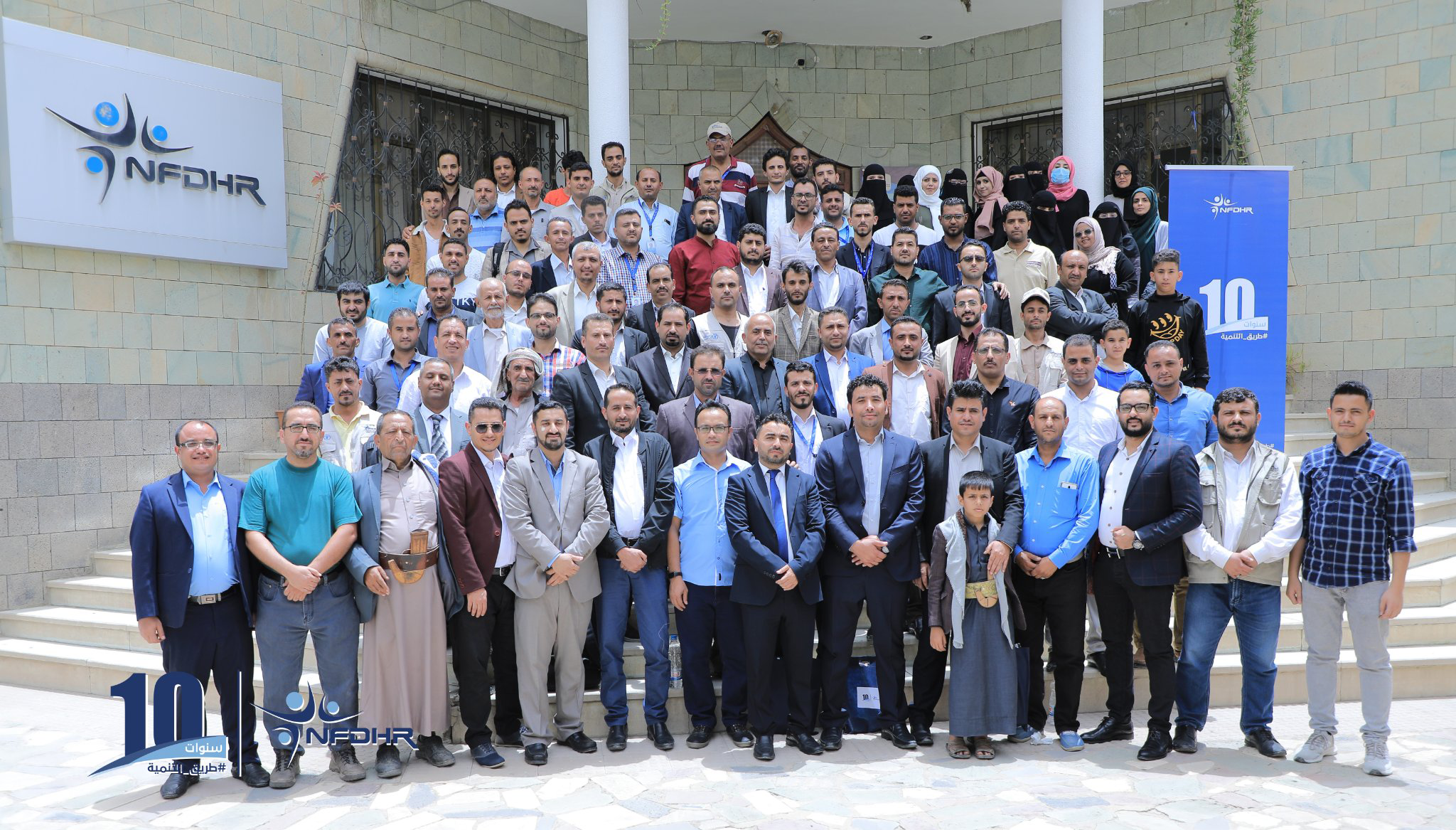
The National Foundation for Development and Humanitarian Response (NAHR) is a local non for profit and non-governmental organization that was established in June 2012 to enhance the community participation in service provision, advocate and monitor policies, encourage women and youth participation at local and national levels, and build resilience of societies affected by natural crises or armed conflicts.
At nahr we are committed to the safeguarding and protection of children and adults at risk. We will do everything possible to ensure that only those who are suitable to work with children and vulnerable adults are recruited to work for us.
The work of the National Foundation for Development and Humanitarian Response is based on six core values that form the ethical and professional framework for all its activities:
It means building the capacity of individuals and communities to become self-reliant and achieve their full potential. Empowerment involves providing the skills, knowledge, and resources needed for communities to develop their own solutions and actively participate in decision-making that affect their lives, ensuring the long-term sustainability of development interventions.
Commitment to continuous improvement by learning from trial and error, and leveraging global and local best practices. Learning also includes investing in developing the capabilities of employees and partners, sharing knowledge and expertise with local communities and other organizations, and documenting lessons learned to develop future performance.
Means a commitment to transparency and accountability to all stakeholders, including beneficiaries, donors, partners, and the community. Accountability includes the regular publication of financial and programmatic reports, responding to feedback and complaints from beneficiaries, ensuring optimal use of resources, and establishing clear mechanisms for follow-up and evaluation.
Respecting and appreciating cultural, social, and religious differences, and ensuring equitable representation of all groups in programs and activities. Diversity also includes promoting gender equality, engaging youth and the elderly, caring for people with disabilities and marginalized groups, and ensuring non-discrimination in service delivery.
It means not taking sides with any political or military party, and providing assistance only on the basis of need without discrimination. Neutrality includes maintaining the independence of the Foundation in its decision-making, adhering to humanitarian principles in all circumstances, and avoiding any activities that may affect the neutrality of the Foundation or endanger the safety of employees and beneficiaries.
Constantly seeking new and innovative solutions to humanitarian and development challenges, and using modern technologies to improve the effectiveness and efficiency of services. Innovation includes developing new business models that are tailored to the local context, leveraging technical and digital opportunities to enhance impact, and encouraging creativity and critical thinking among employees and partners.