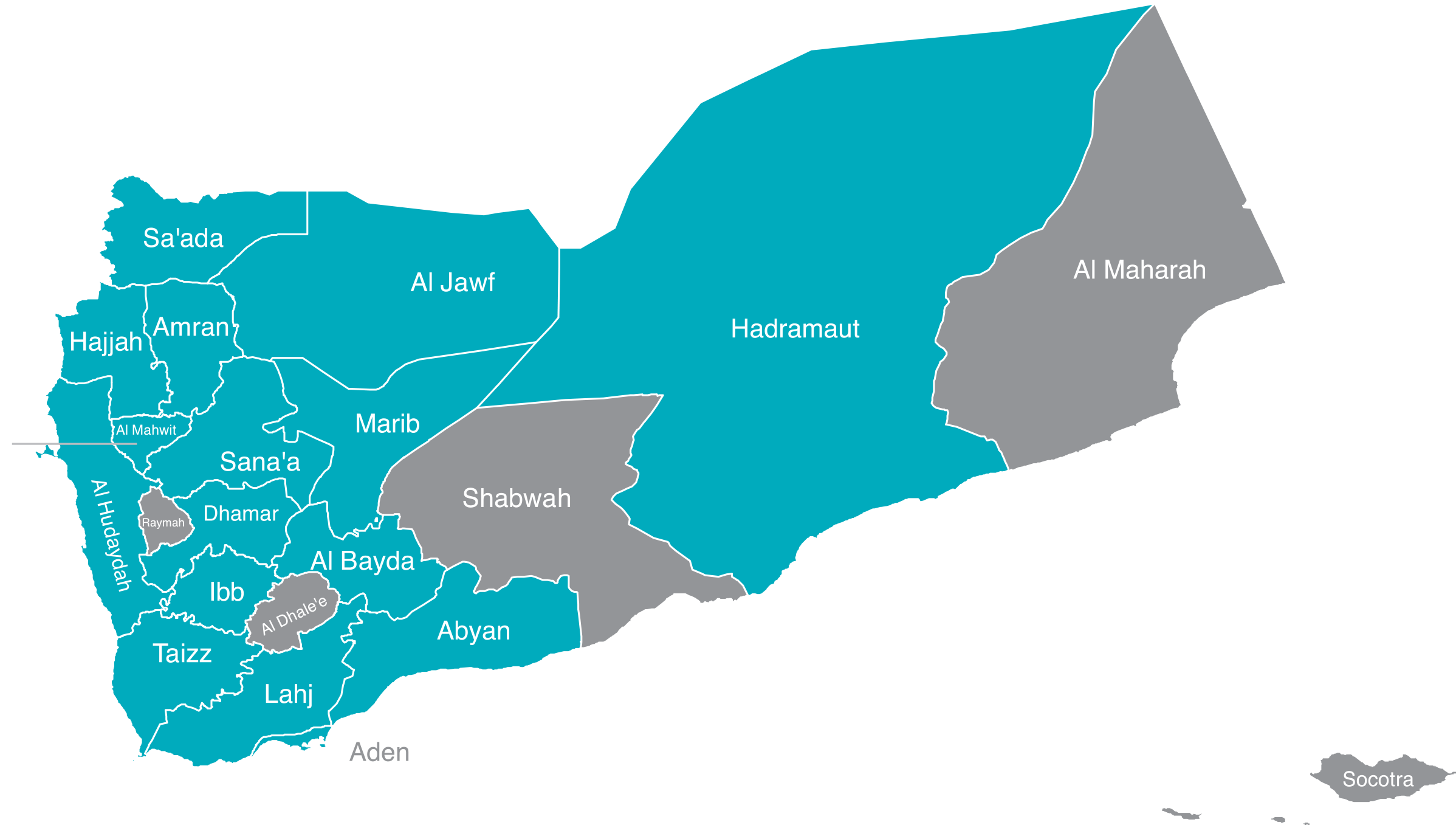
عدد المشاريع : 50 مشروع
مبلغ المنحة : 500000 دولار
عدد المستفيدين : 500000 مستفيد
عدد المشاريع : 50 مشروع
مبلغ المنحة : 500000 دولار
عدد المستفيدين : 500000 مستفيد
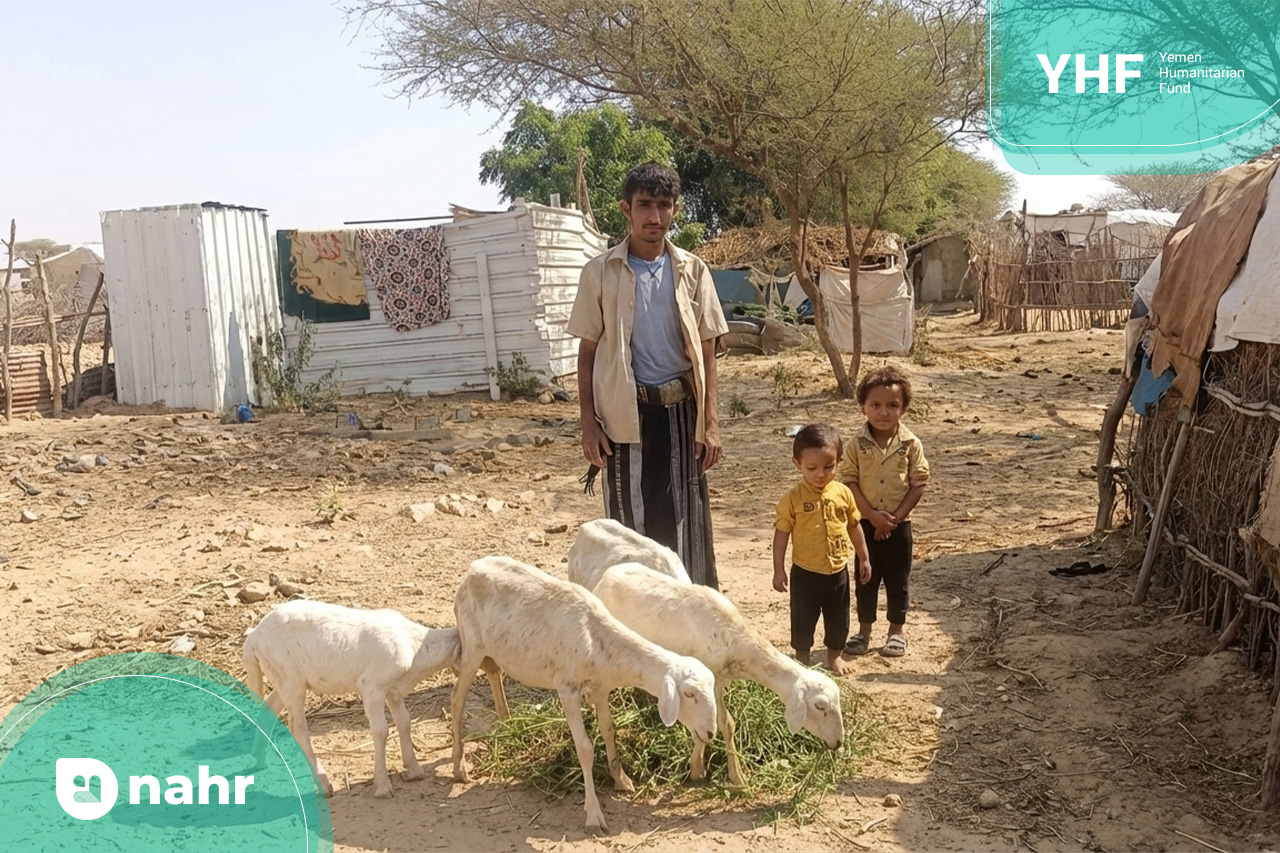
In the heart of Aslam District in Hajjah Governorate, Ismail, the head of a displaced family of six, lived through one of the toughest experiences endured by thousands of displaced people in Yemen. After being forced to flee his village in Bani Hassan, Al Hudaydah, he found himself struggling to provide daily sustenance for his family, relying on sporadic daily labor that barely kept them from hunger.
Days passed heavily for Ismail amid scarce job opportunities, leading to an accumulation of debts that exceeded 50,000 Yemeni riyals owed to a grocery merchant who could no longer lend him more. The family reached a critical stage of food insecurity, and Ismail's suffering intensified when his infant son, "Ayoub," began showing signs of weakness and frailty due to insufficient food for both mother and child. Ismail watched his child grow weaker day by day, unable to provide the necessary milk or food, to the point where his despair made him wish for death, as he describes.
Amid these harsh circumstances, glimmers of hope began to appear when Ismail was registered among the families benefiting from the "Provision of Food and Emergency Livelihoods Saving Lives in Aslam District" project, implemented by the National Foundation for Development and Humanitarian Response (NAHR) with funding from the Yemen Humanitarian Fund. The family received unconditional cash assistance for six months, amounting to $110 per month.
Ismail did not treat the assistance as a temporary solution but saw it as an opportunity for a fresh start. He decided to invest part of it in purchasing three sheep on installment for 110,000 riyals to ensure a permanent supply of milk for his son Ayoub, while allocating 30,000 riyals from each payment to settle his accumulated debts.
Within a few weeks, one of the sheep gave birth to twins, and hope returned to Ismail's home after a long absence. His son Ayoub gradually began to recover his health with the availability of fresh milk, and vitality returned to his little features. At the same time, Ismail was able to pay off all his debts, including the price of the sheep and his grocery debts.
The journey of success did not stop there. The number of his sheep increased to five heads and is expected to reach seven or nine within a few months. Thus, he established a sustainable source of income that meets his family's food needs and provides them with a decent livelihood away from need.
Ismail says with pride and gratitude:
"Thanks to God, and then thanks to the cash assistance, I was able to restore life to my family. My child recovered, I paid off my debts, and I now have a stable source of income. Today, I feel I have overcome all the difficult circumstances I went through."
Ismail's story is not just an individual success but a living model of how humanitarian cash assistance can bring about real change, save families from hunger, and give them a chance to build a better and more stable future.
In conclusion, Ismail expresses his hope for the continuation of such projects, given the great need among thousands of displaced families experiencing circumstances similar to what he endured at the beginning of his journey.

Success Stories
 |
"Ibrahim''s Success Story | When Aid Becomes a New Beginning ✨" |
 |
Majed''''s Success Story | A Small Step… A Great Impact ? |
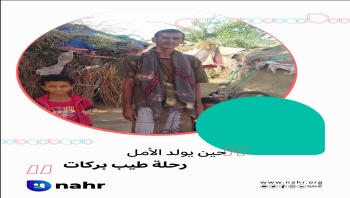 |
Tayeb Barakat… From Fear for Daily Bread to the Restoration of Hope |
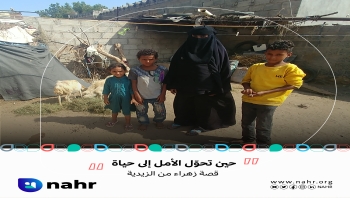 |
When Hope Turns into Life... The Story of Zahra from Al-Zaydiyah |
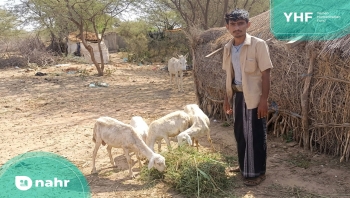 |
From the suffering of displacement to building a sustainable source of income |
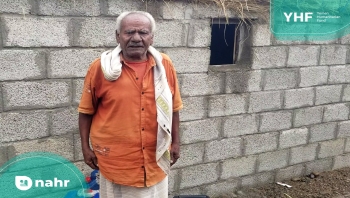 |
When Shelter Becomes Dignity and Safety |
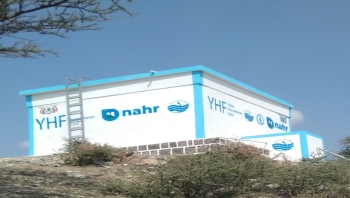 |
Success Story: When Water Returned... Life Returned |
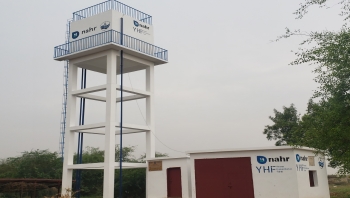 |
Success Story – Al-Khalil Camp: From Hardship to a More Dignified Life |
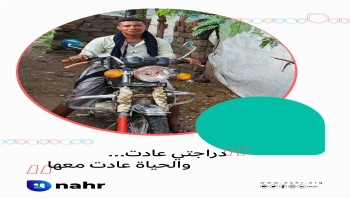 |
When Cash Assistance Transformed into a New Life |
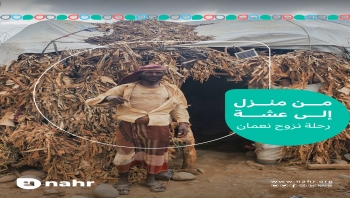 |
From a Home to a Shack: The Displacement Journey of Noman |